
Hatching Curiosity
How Willamette Fish Hatchery works to educate the public


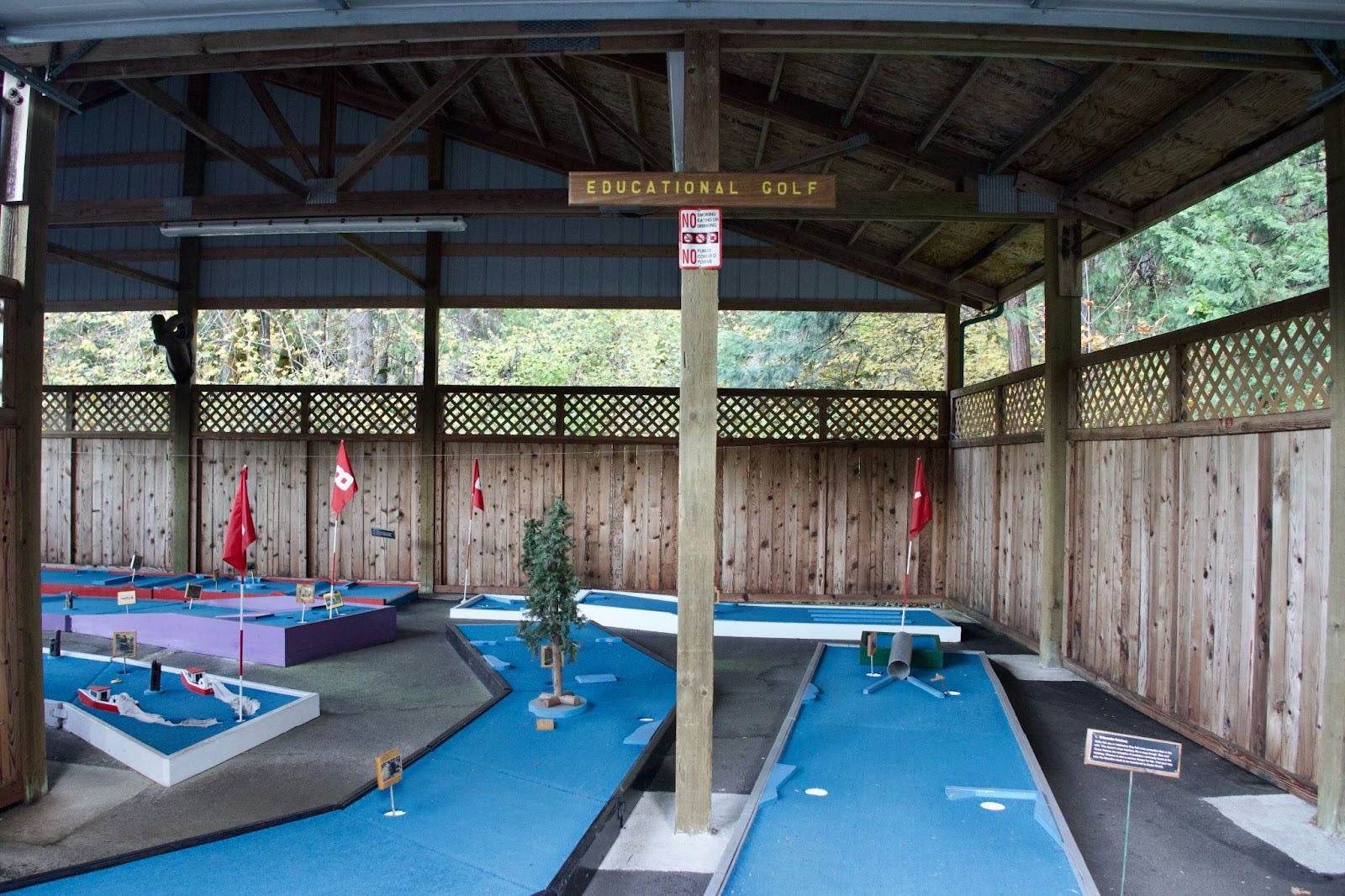
Science and conservation. A history of poisoning bodies of water. Mini golf. What do these three things have in common? You can find all of them at the Willamette Fish Hatchery in Oakridge, Oregon.
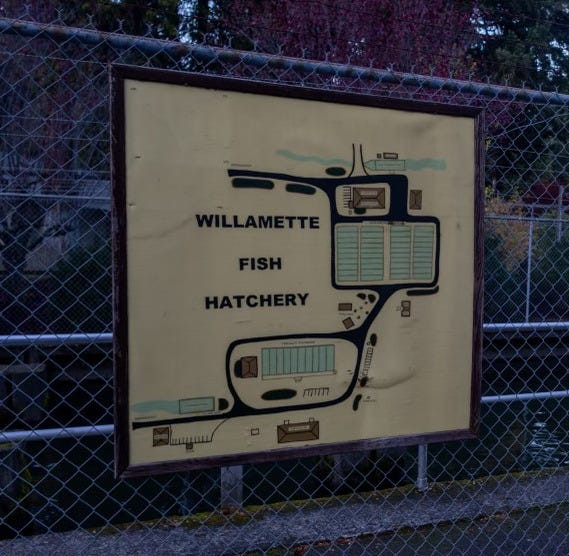
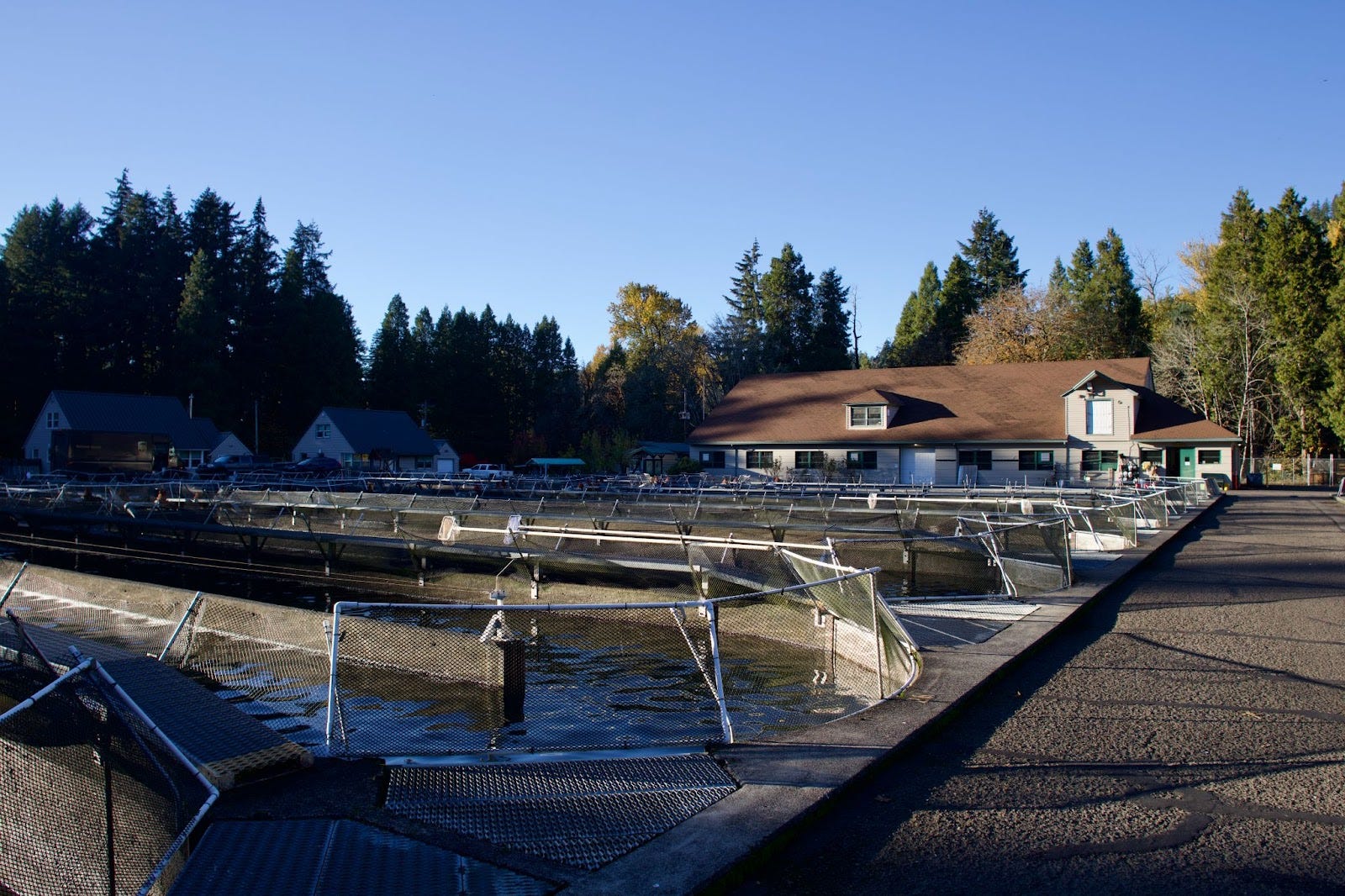
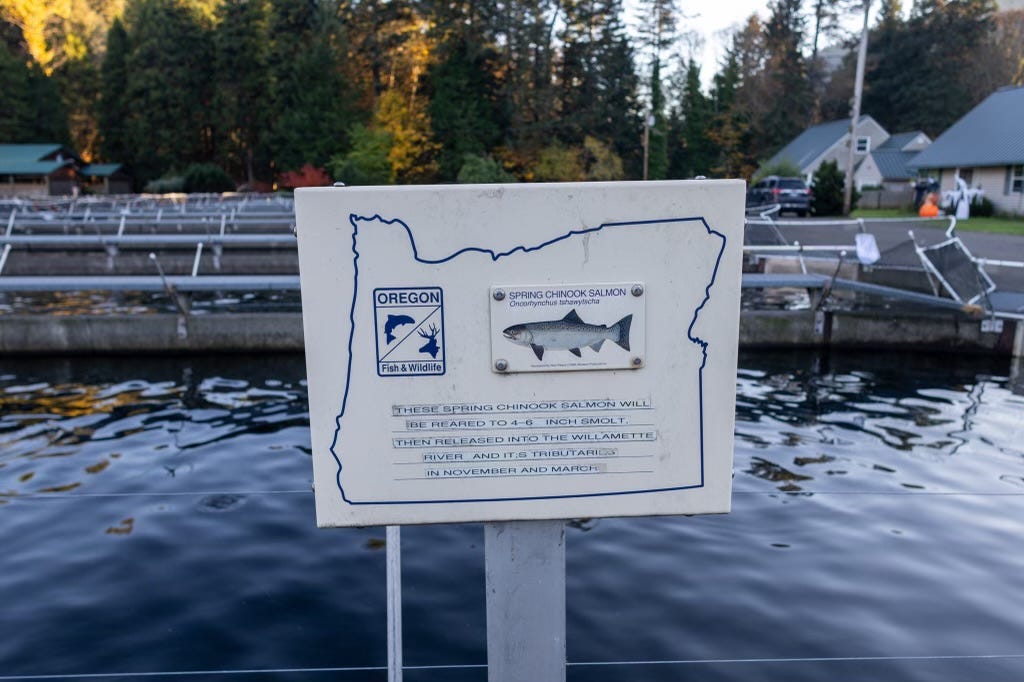
As the Middle Fork of the Willamette River winds through the mountains, the Willamette Fish Hatchery sits on 168 acres right where Salmon Creek joins the main river. Originally built as two separate facilities in 1911 and 1922, and rebuilt in the 1950s, the hatchery raises Chinook salmon, rainbow trout, and summer and winter steelhead.
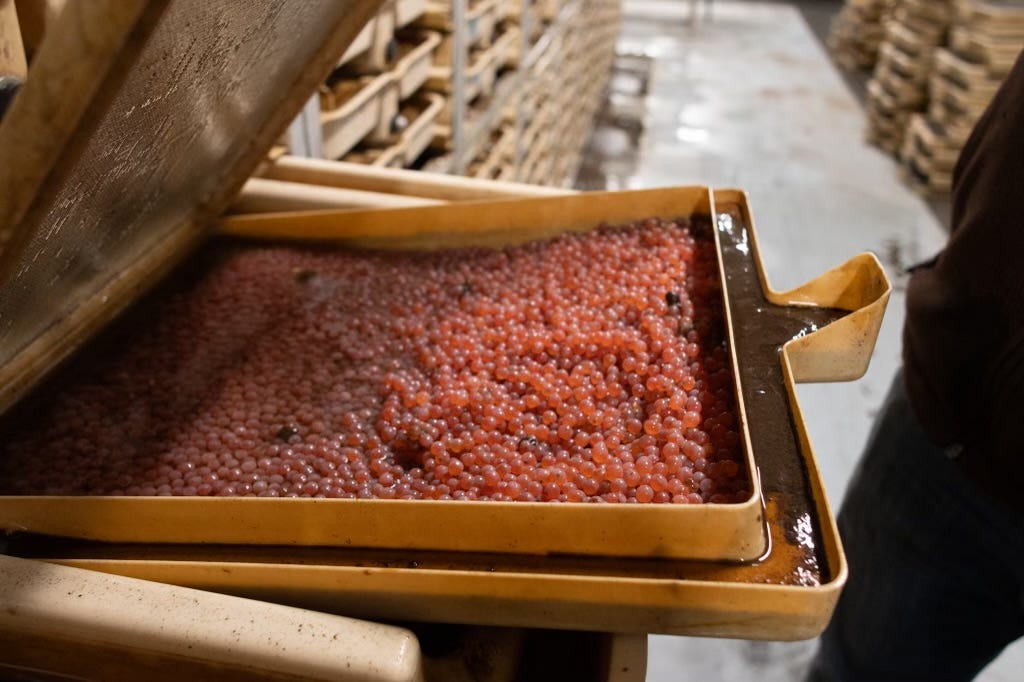
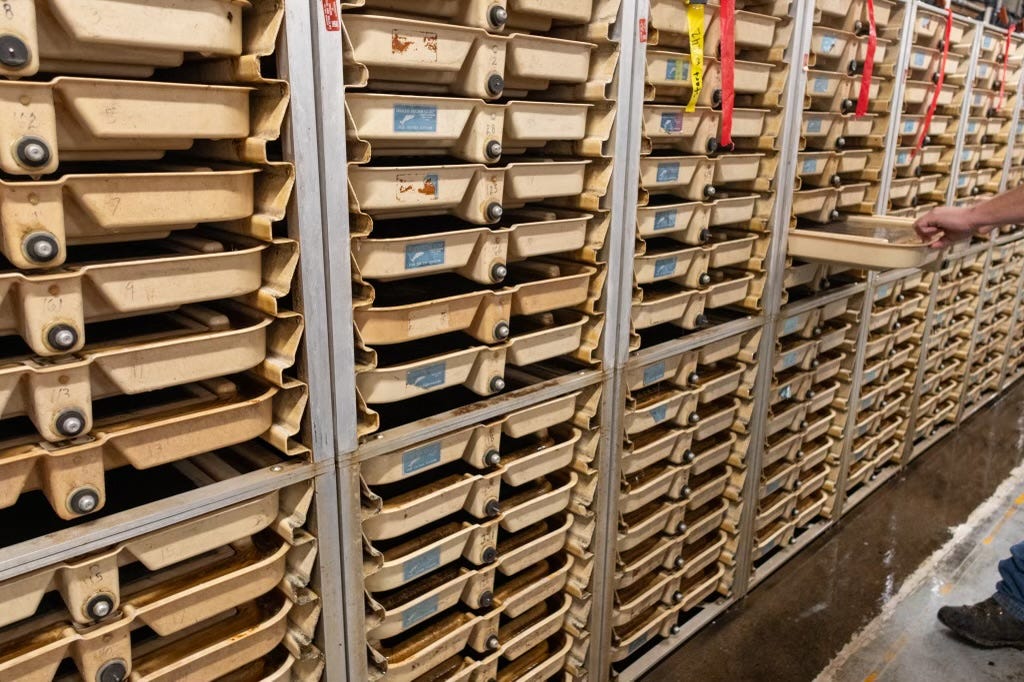
The hatchery itself has two different sections of ponds, the ones for rainbow trout in the front next to the parking lot, and the other for salmon and steelhead towards the back, nearer to the hatchery building where the fish spend the first month and a half of their lives. This is where a good portion of the work of the hatchery gets done—where they monitor and raise the fish, where they tag and mark them in preparation for their release at the Dexter facility, below the Dexter dam, about 26 miles downriver.
Willamette Hatchery and the Oregon Department of Fish and Wildlife as a whole work to study the movements of both wild and hatchery fish. “The big focus in the upper Willamette River right now is how to get juvenile salmonids downstream through (or around) dams with high survival,” says Jeremy Romer, the Assistant District Fish Biologist for the Upper Willamette. The hatchery fish are also used to “provide researchers with large numbers of fish for projects without sampling wild fish,” according to Romer.
They’re also working with other federal groups to restore the habitat that was lost when humans settled in the valley, but that’s not an easy process. “It’s not just we put salmon in the river and then the river will have salmon again,” says Chad Proffitt, the manager of Willamette Hatchery. It’s also the trees by the river, and the swampy areas made by the river’s meandering and yearly floods that the juvenile fish live in, but those have been replaced by roads and stopped dams.
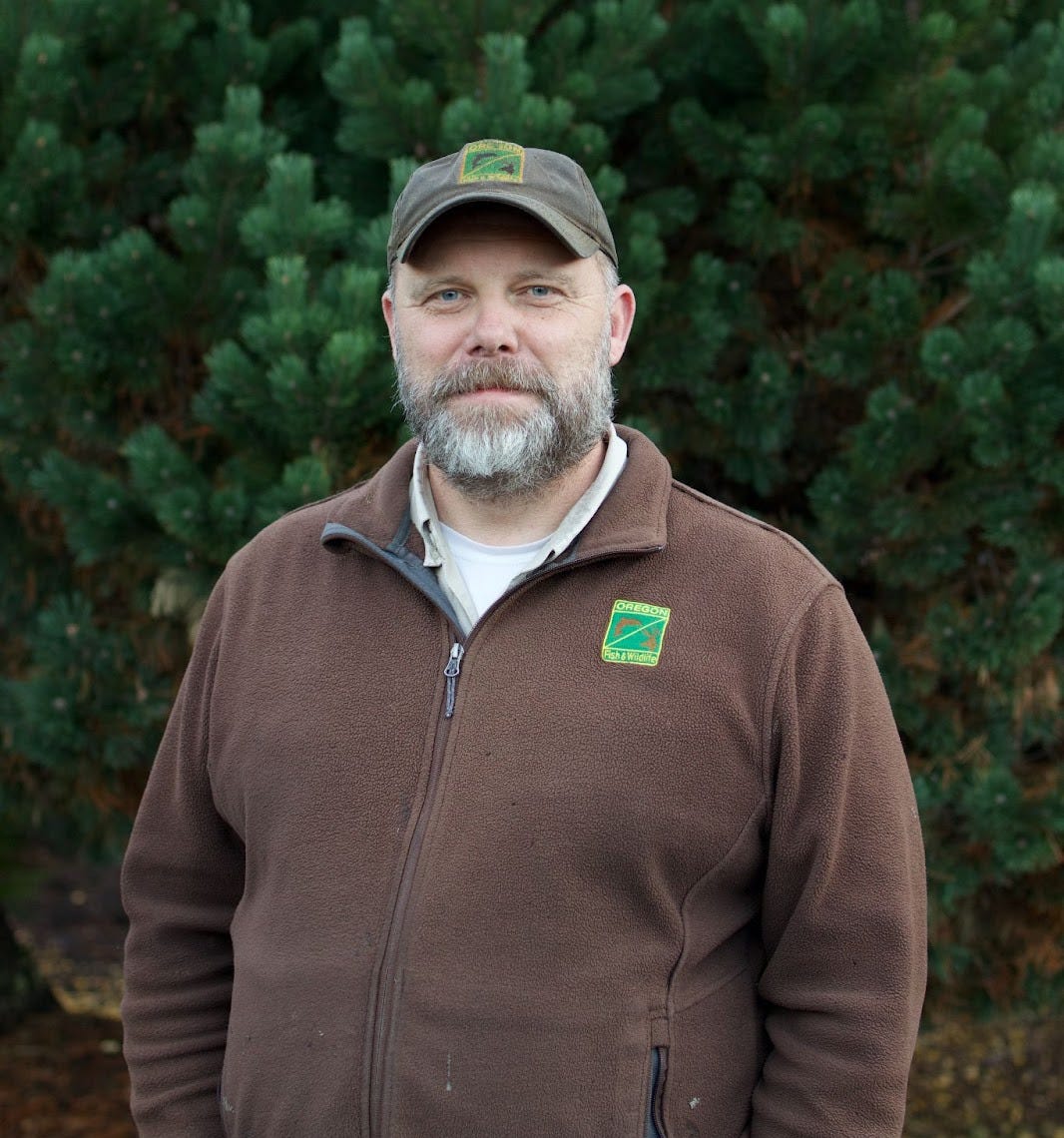
And it’s not as simple as removing the dams on the Willamette River, like they did on the Klamath. “If we were to remove the dams on the Willamette River, we would only have to ask two-thirds of the population of Oregon to move.” Proffitt says. That’s because the dams on the Willamette are to prevent the floods, and in the last seventy years, a lot of people have moved into floodplains. But although it’s a rather steep learning curve, they’re still working on it. “Eventually, the hope is to have the habitat that the fish can utilize, but you have to have that in a compromise with the modern world.”
But it wasn’t always this way. When talking about how the hatcheries used to run, Proffitt says “they simply did not care about the wild fish when these systems were built. The trying to restore the wild runs is a very new concept historically.” He then follows that statement with “A common practice when the dams went in was to poison the river above the dam to get rid of the native fish, because the native fish were competing with the hatchery fish, and that was seen as a bad thing.” They would use a chemical called Rotenone, which blocks oxygen from entering the gills, and it is still used today, in very specific situations in water bodies that “we’ve screwed up so bad that we’ve almost wanted to reset.”
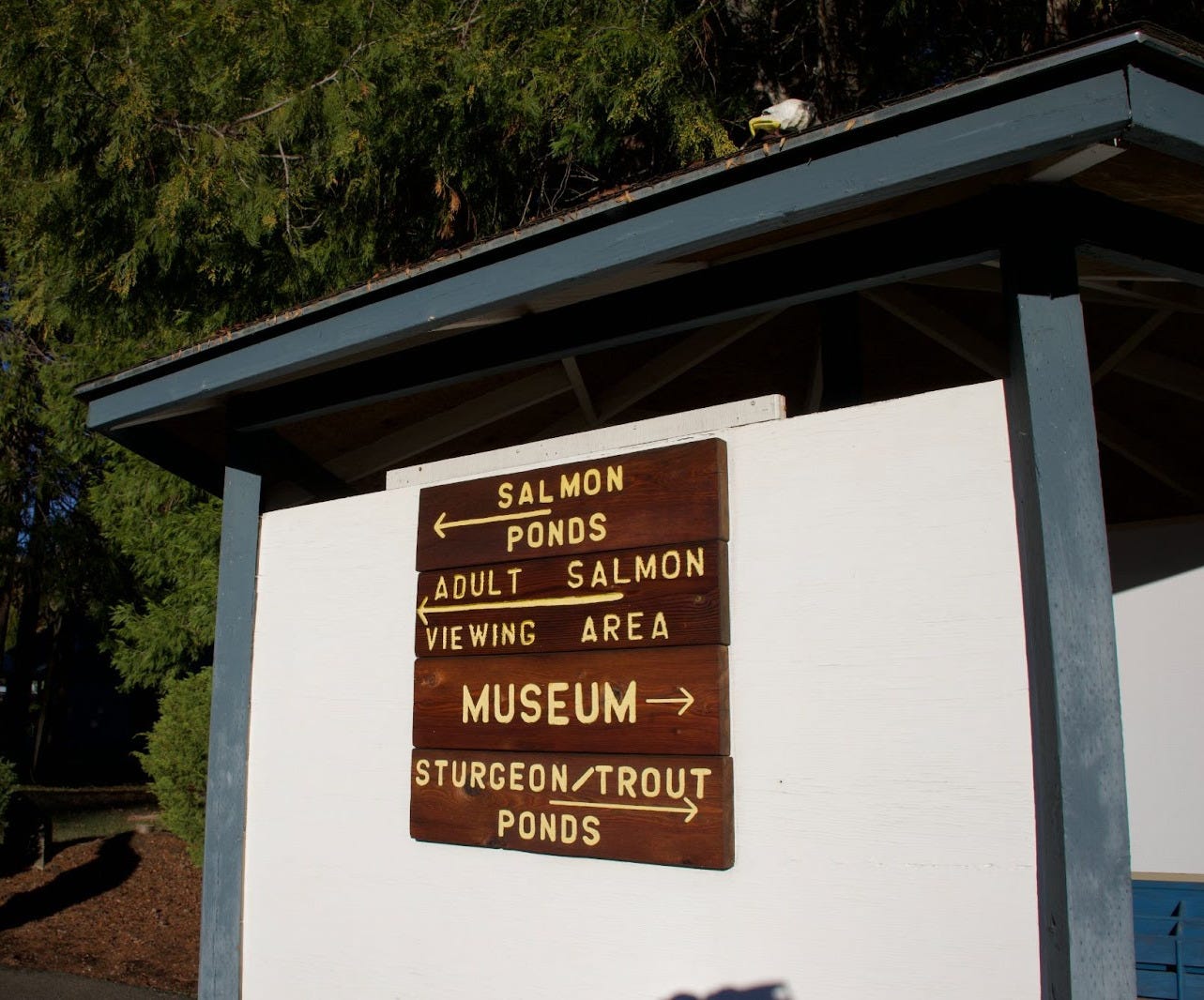
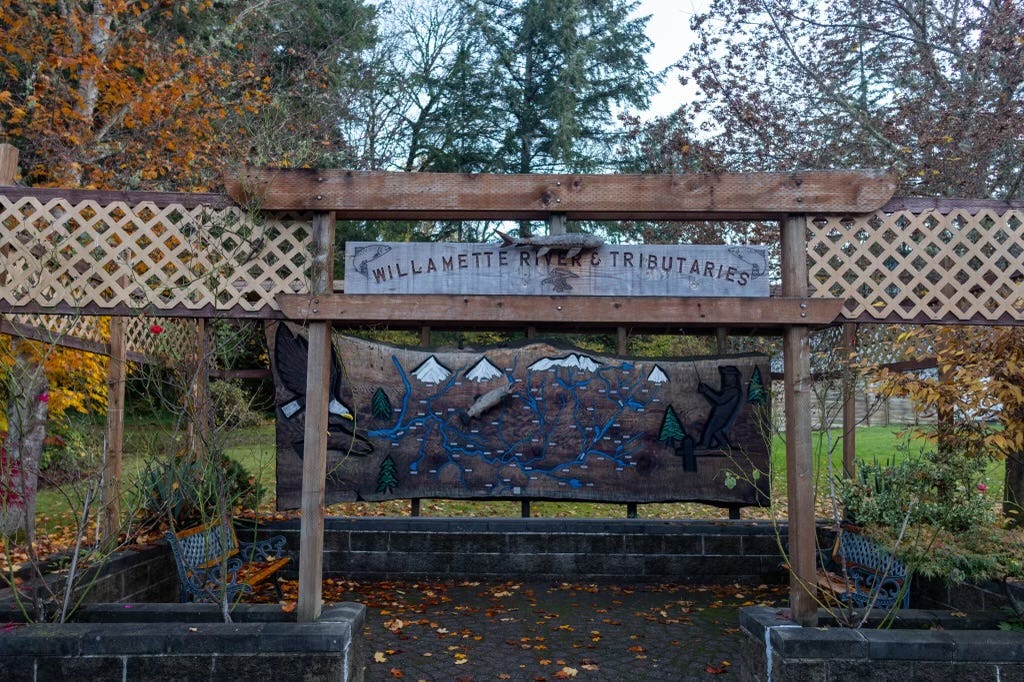
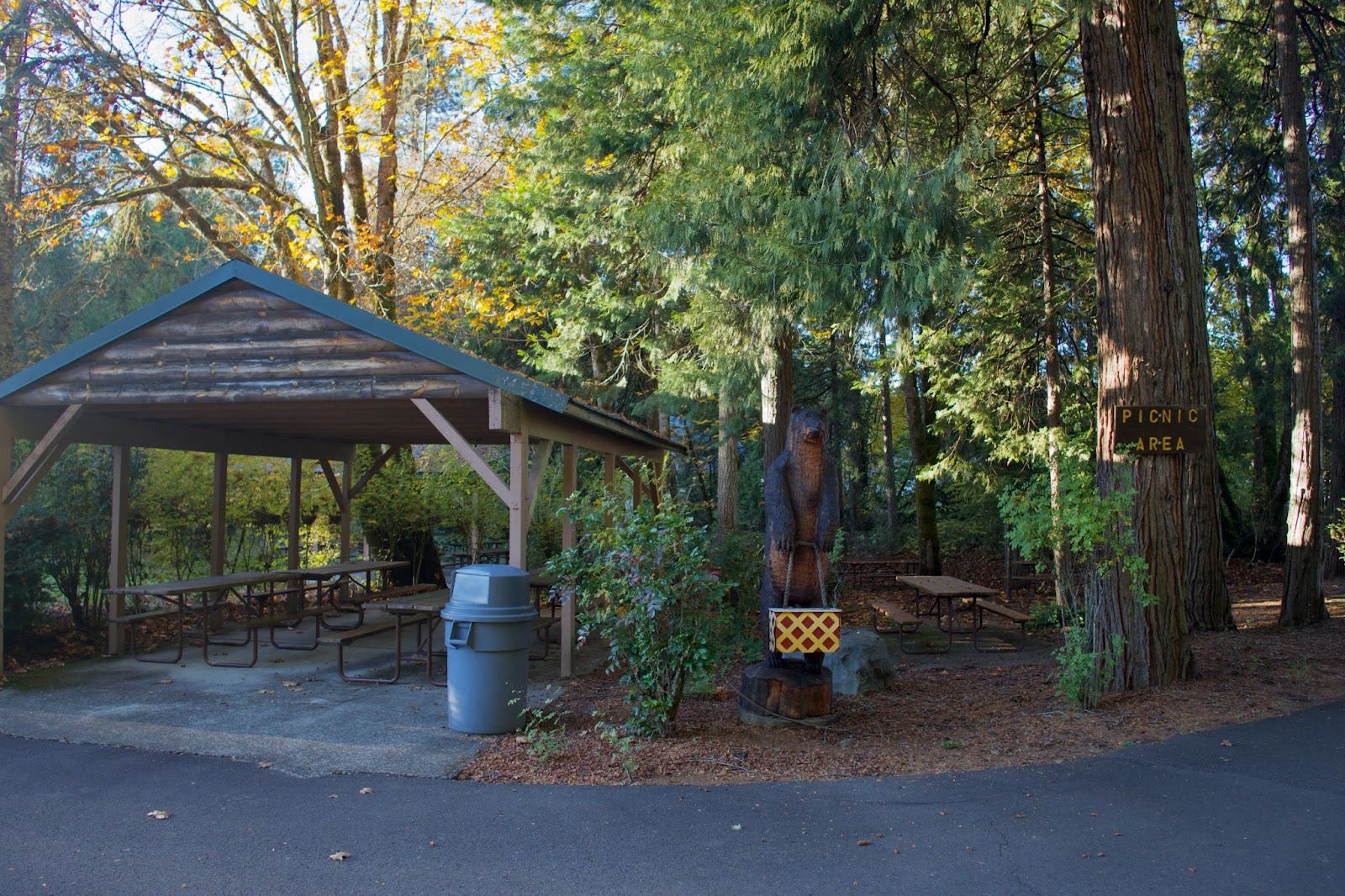
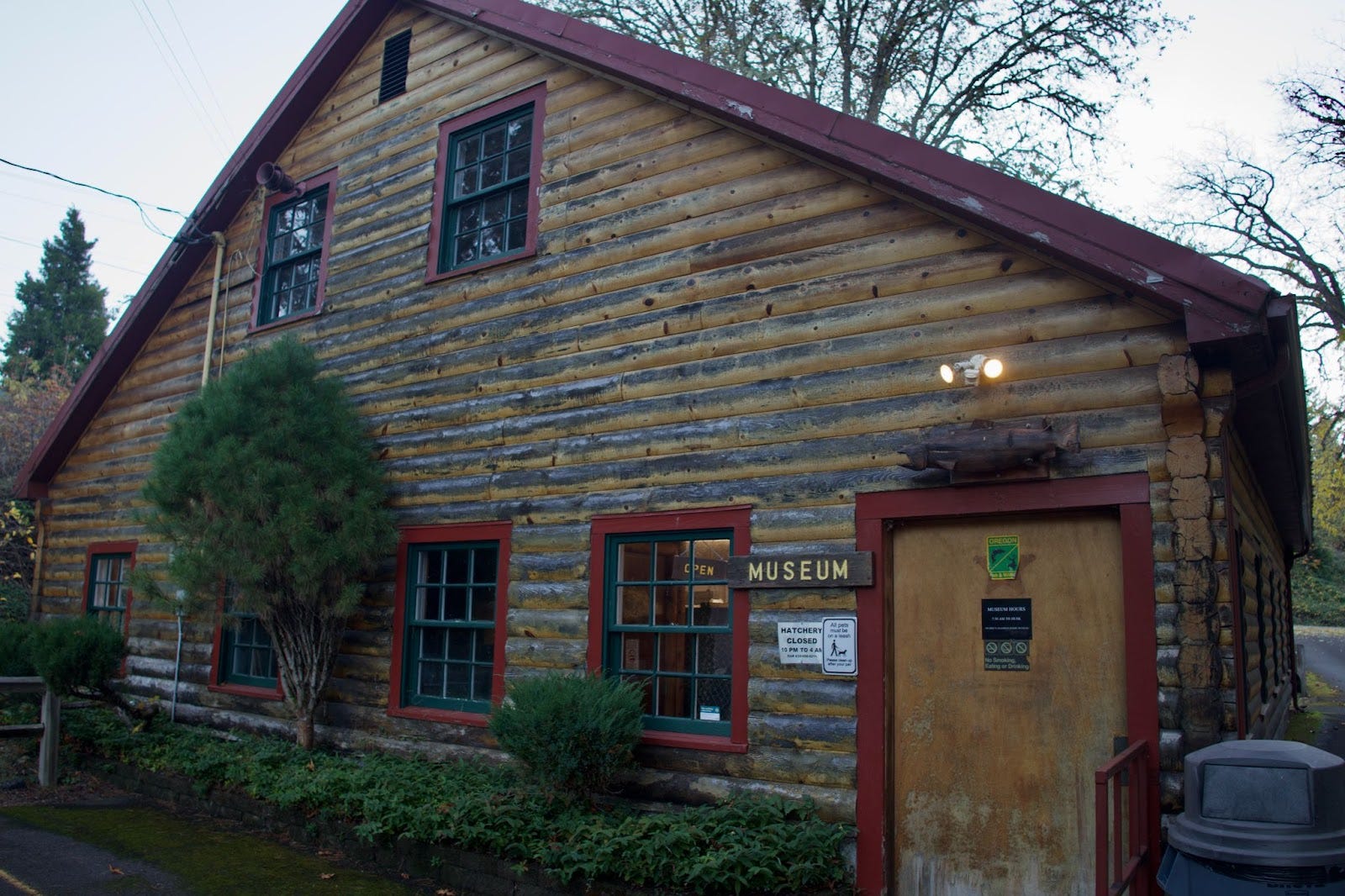
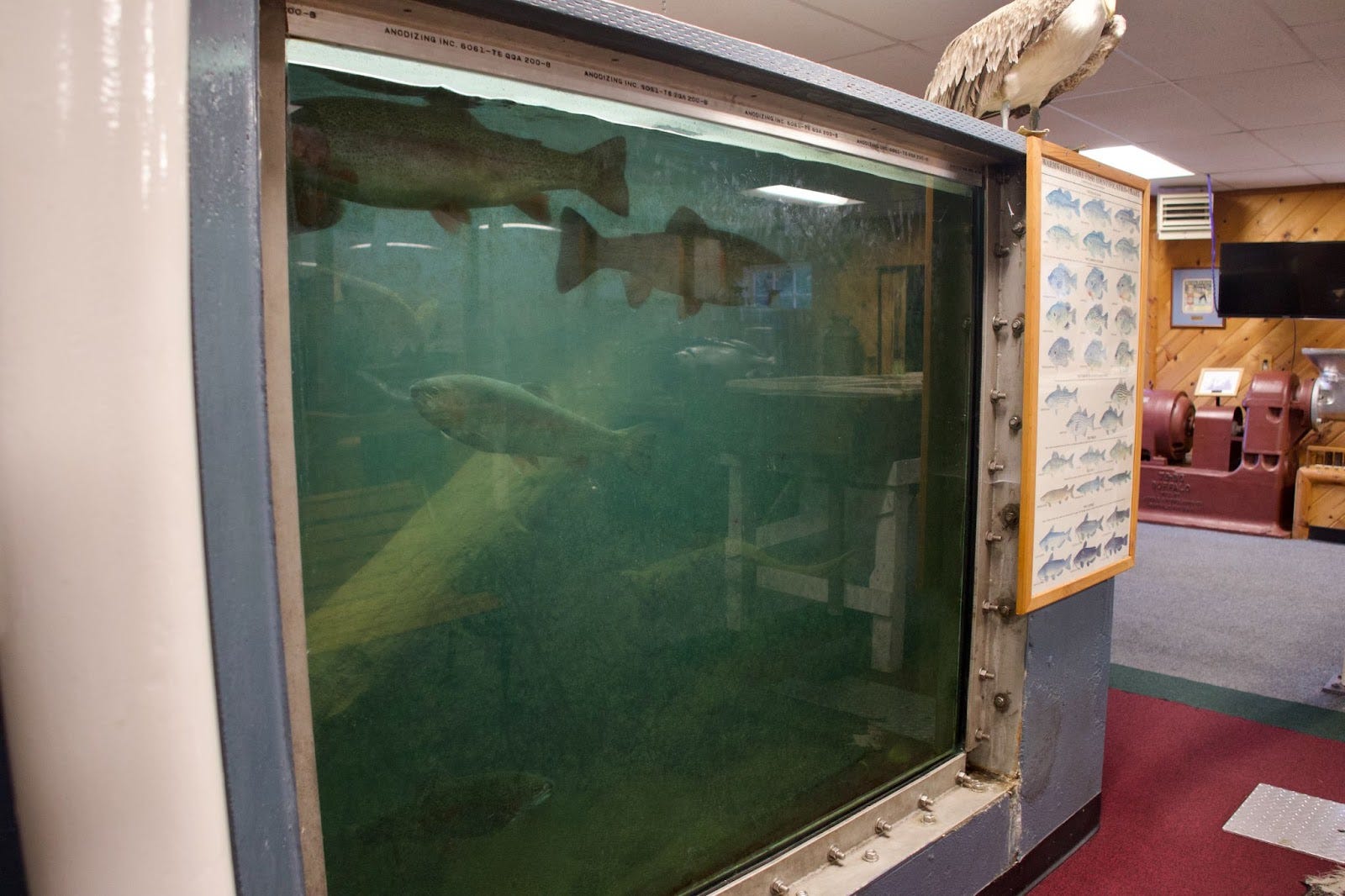
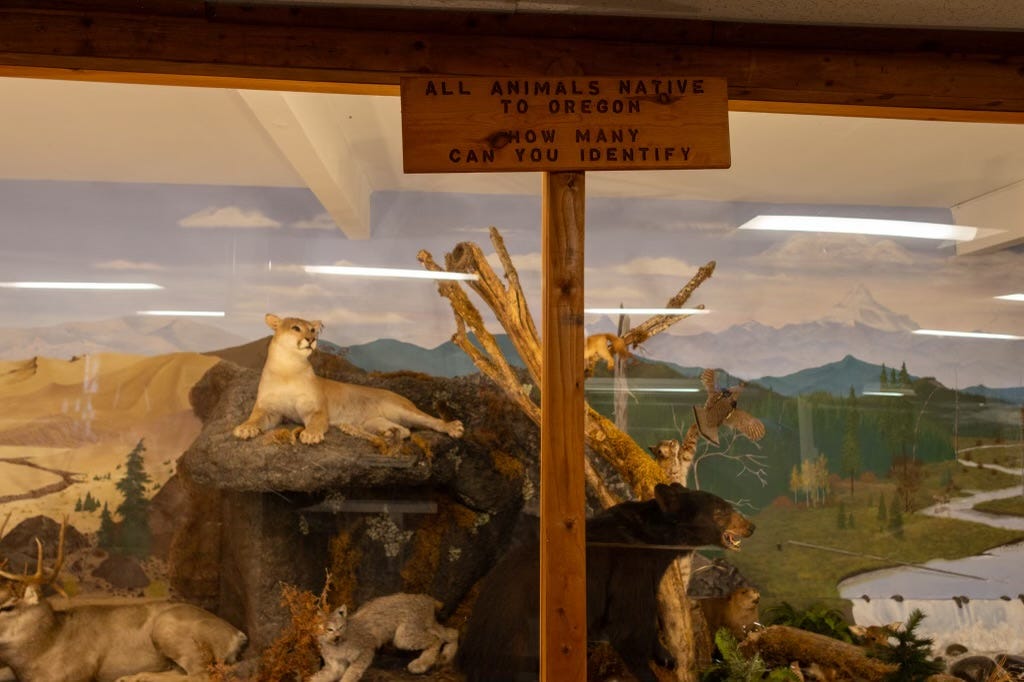
Between that, the hatchery’s association with dams, and a slew of research saying that hatchery fish lower the rate of survival of the wild fish, it’s no surprise that some people don’t like the hatcheries. There’s not much Proffitt and the rest of the staff can do about that fact, besides starting conversations with them, which is what the rest of the hatchery—the nature trail, picnic area, museum, and mini golf course depicting the life cycle of salmon—is for.
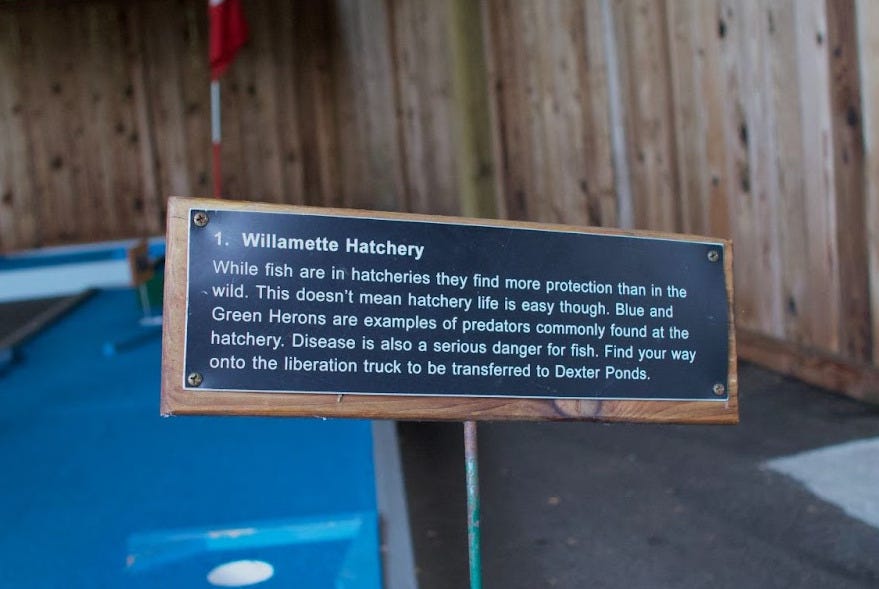
“We get a lot of people that stop by randomly,” Proffitt says. “they’re passing though, and there’s a bathroom. And then they come into the hatchery, and it’s our chance to explain what’s going on, what we do, and why we do it.” Including these public facing aspects to a not-as-public facing process gives people a chance to learn about the river they drive by and the animals that live in it, and the people working to restore it all.
“The dream of this job is to work myself out of a job. It would be to have enough wild fish returning in an environment where they can thrive, and we’re simply not needed.” Proffitt wants to find that balance between human need and environmental sustainability, but he also knows it’s going to be a lot of work. “Will we get there in my lifetime? I doubt it. It took us a hundred years to destroy the environment, it’s going to take a lot longer to rebuild it.”
Hiiii two things first!! One I really enjoy your hook with the mini golf. so silly, so fun. And then I also enjoyed the quote you ended it on - really showing there's more to be done and it will take a long time to do.