
A Classroom Without Walls- A Hands-On Approach to Addressing Climate Change With Youth
Nearby Nature’s Current and Developing Climate Education Plan Aims to Empower Kids and Promote Environmental Stewardship


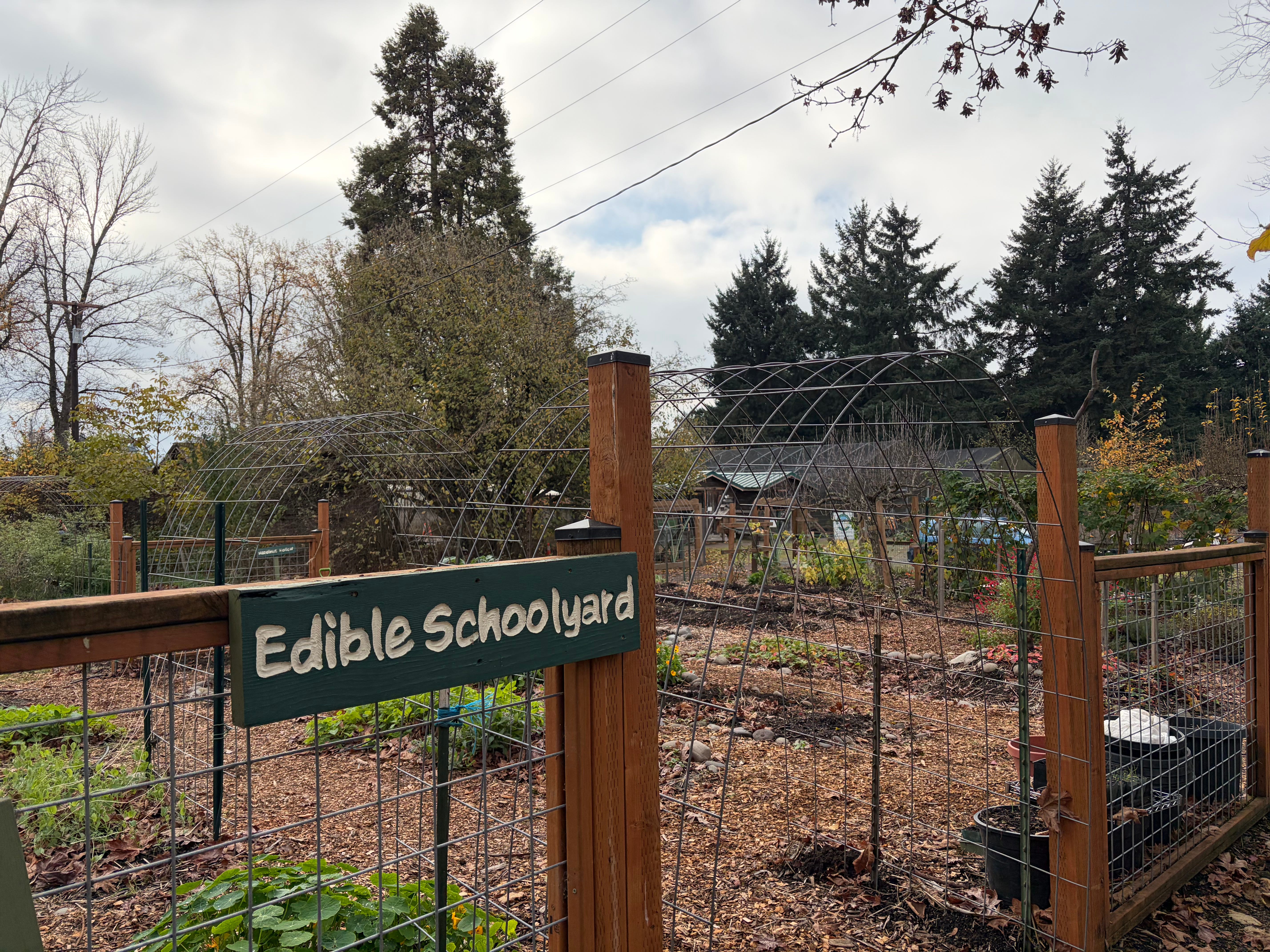
Tucked within the abundance of native plants and trees that extend throughout Alton Baker Park in Eugene, Oregon, you’ll find a community garden marked by a carved wooden sign that reads Edible Schoolyard, a circle of tree stump seats, and a beautiful, vibrant mural of the Willamette River that proclaims “We All Belong” in rainbow-painted letters.

This outdoor haven embodies Nearby Nature, a local environmentally minded nonprofit founded in 1992 that offers kids of all ages a safe place to connect with the nature around them and develop the skills to understand and care for it. They offer a range of programs, from summer day camps to school field trips to family nature quests and learnscape gardening projects. In exchange for their land steward and conservation work, this organization is recognized by the city of Eugene as the official “Park Host” and operates rent-free. Since receiving a large grant in 2008 to restore the area, Nearby Nature has been designated as a certified outdoor classroom.
While climate change remains a difficult issue to discuss with children and many current efforts aim to limit distress over direct discussion of its implications, Nearby Nature orients toward addressing climate change through proactive, leadership work, providing the tools for kids to engage in ecological practices on their own in their everyday lives. In an interview with Claire Griffin, the Programs Manager at Nearby Nature, Griffin shares the unique ways that kids are involved in climate action.
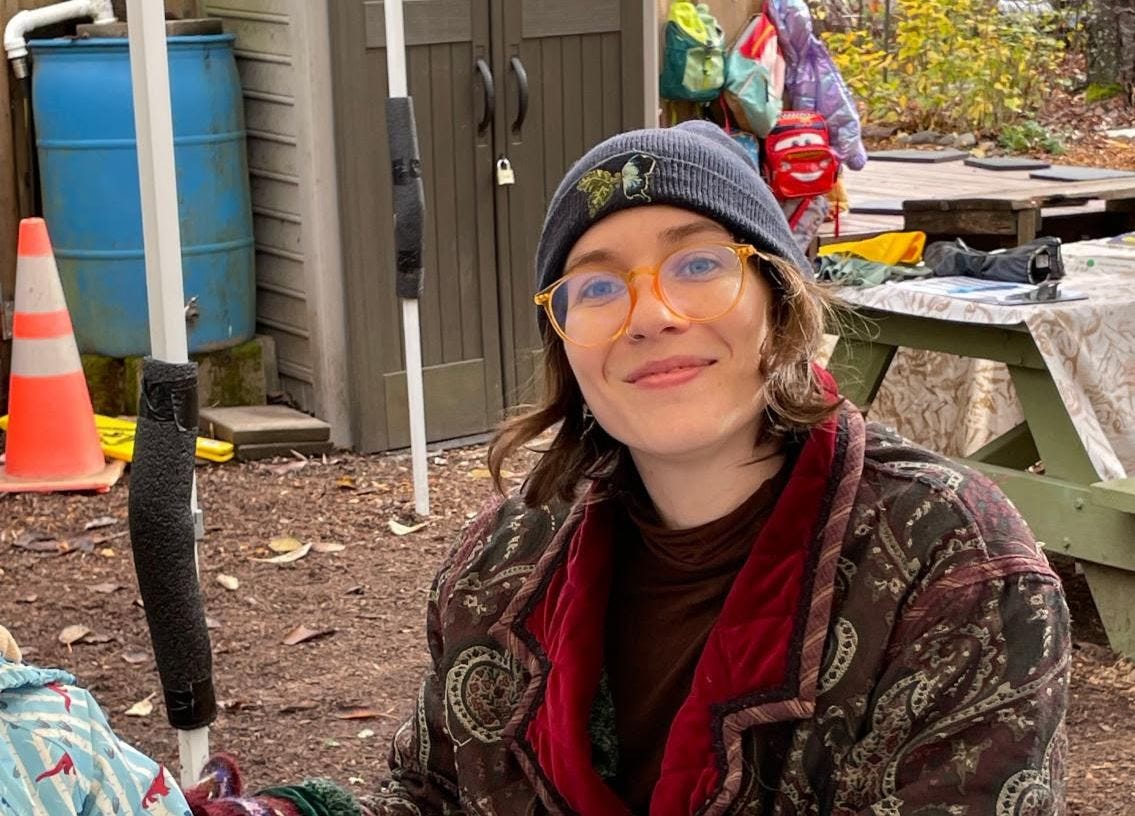
Although these programs center around land steward work and education, climate education is more challenging to discuss directly. For the younger kids (ages three to five), Griffin says it’s hard to talk about change across their lifespans, given that their lifespans are still so small and they haven’t yet experienced change.
“We talk about keeping things clean, keeping things safe, keeping our community…So we talk about [climate education] more in terms of good stewardship and laying the groundwork…So by the time that they understand that there are lots of horrible things going on all of the time, that they have the framework already of things that they should be doing or things that will help” - Claire Griffin
For the older kids (ages six to eleven), more questions and heavy emotions arise as they begin to better understand the world they’re coming into. They start to wonder more about what they can do, what the community can do, and how to support each other. Griffin hopes to provide a supportive space for them to be upset about the world they’re inheriting, a place where it’s okay to grieve. By allowing for that, there’s also room for climate-focused work that is solution-oriented, like Nearby Nature’s Green Team summer program, which targets objectives like people powered machinery (i.e., biking, tools that don’t require electricity, etc.) and civic projects. The program allows kids to try out different things and, as Griffin suggests, gives them “a chance to be little stewards in their own right”.
Listen more about what Griffin has to say here:
Griffin notes that addressing climate change with kids head-on is not something that Nearby Nature currently centers in its programming. However, with a youth climate education plan developed by graduate student Libby Bridges now underway, she’s excited to introduce new programs and see how they evolve.
After working as an educator for several years, Libby Bridges realized that many of her students had questions about climate change. Wanting to provide space in her classroom for this topic, but not having the time or resources to, Bridges went back to school for Environmental Studies.
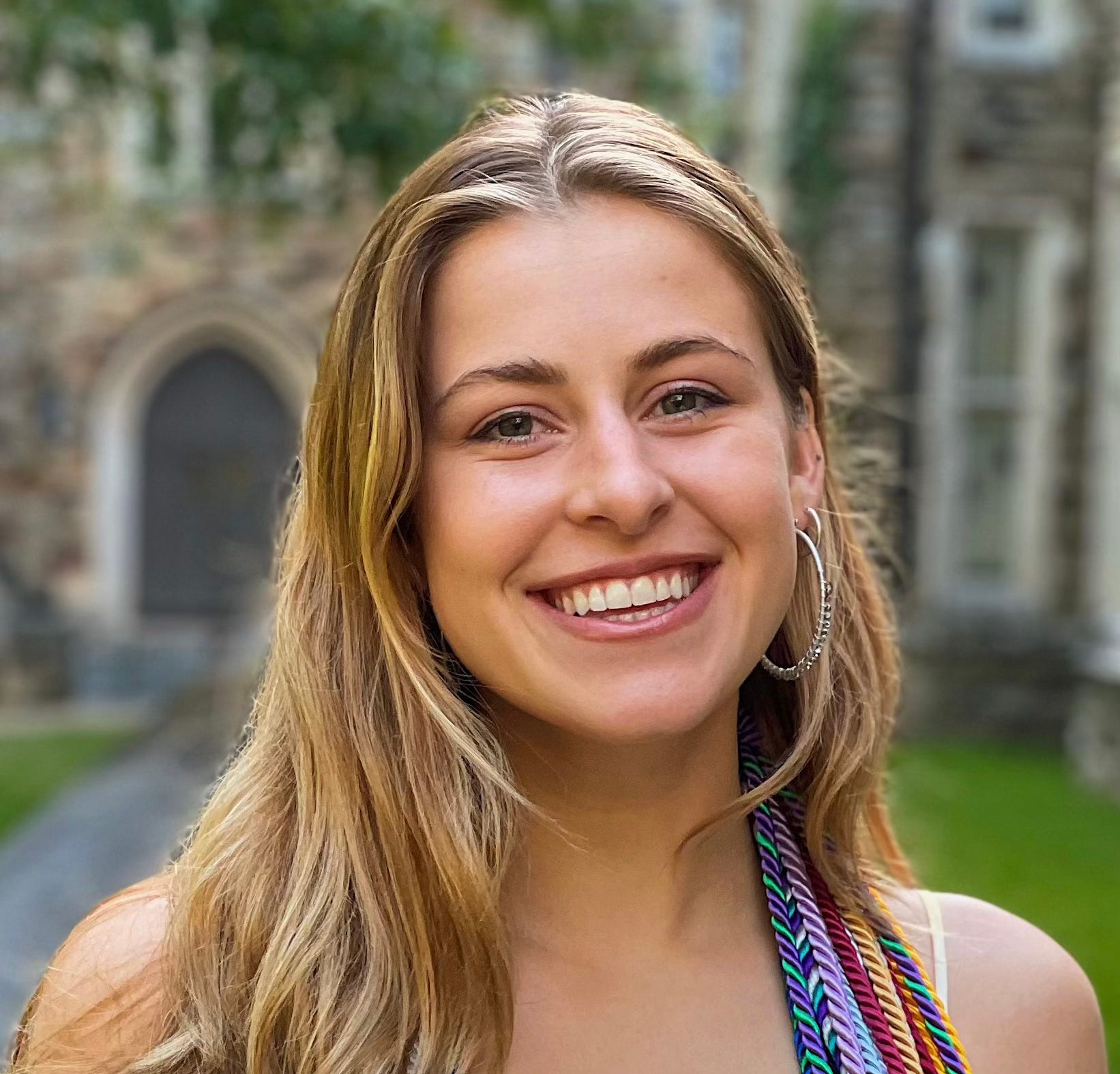
As a part of her Master’s program, Bridges interned with Nearby Nature for a summer, where she came up with the concept for a Climate Action summer camp. The program she created is geared towards kids ages 8-11, and would provide young individuals the space to process the complex–and at times, frightening–topic of climate change.
Listen to Bridges talk about her youth climate change action camp:
Below, Bridges shares a description of the camp as advertised towards the community:
“Climate change can be daunting, but we know that young people are powerful changemakers. Learn how humans can mitigate our impacts on a warming planet as we identify climate helpers throughout alton baker park, use solar energy to bake with seasonal produce, design our own climate superhero capes, and leave with a personal climate action commitment. By focusing on hope, agency and imagination, campers are empowered to become climate change makers in their families, schools, and communities.”
But Bridges’ summer camp at Nearby Nature isn’t the only climate change education being implemented in the Eugene/Springfield area. At the University of Oregon, the Environmental Leadership program took groups of middle school students on climate change field trips to teach them about environmental impacts to old growth forests. Their program was centered around scientific observations in four focus subjects: phenology, tree identification, microclimates and wildfires. Their mission was to implement hands-on, experimental learning for youth to foster interest in environmental science and environmental protection.

Looking into the future, how will these programs continue to be developed for young students? At Nearby Nature, Griffin shares her goals for encouraging sustainable practices into the daily routines of kids. With composting food scraps or recycling, kids learn the importance of contributing to their community by showing care for the earth. In an ever-changing climate, these practices help prepare young kids with the tools to adapt to climate change issues in their future.
“We show them the different ways that you can be a good steward of your own trash, of your own land, and those kinds of things are never going away… it’s just normal here at Nearby Nature.”—Claire Griffin